10 Years of GOOD TO BE GOOD: A Note From the ED 💜
10 years of GOOD TO BE GOOD.
When I sit with that number—10 years—I think less about a “milestone” and more about what it has taken to keep showing up in a world where safety, care, dignity, and opportunity are still not equal: people organizing, sharing power, having hard conversations, challenging systems, learning from one another, and choosing solidarity again and again.
So much has changed over the past decade. Our work has grown. We’ve seen rights progress and be challenged at the same time. Our understanding of what meaningful change requires has deepened. We’ve learned, adapted, made mistakes, listened, built alongside community, and continued asking what it means to practise gender justice—not only in what we say, but in how we build, make decisions, share power, and champion people.
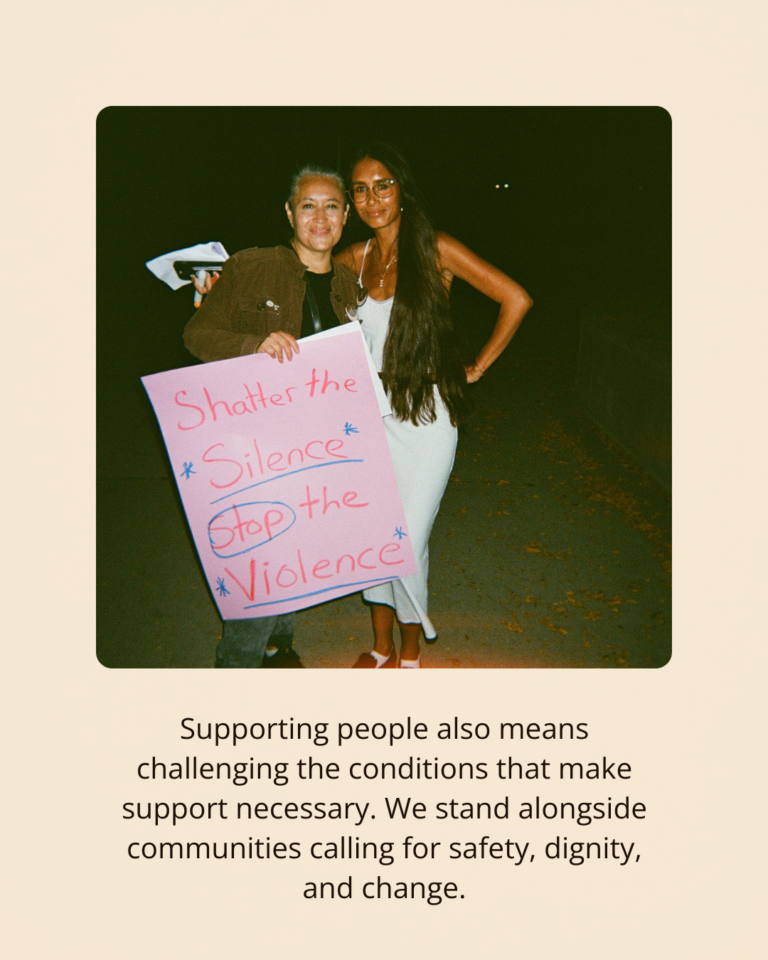
And so much has not changed. Women & gender-diverse people continue to navigate gender-based violence, poverty, racism, discrimination, economic precarity, isolation, inaccessible systems, and barriers to care. Too often, people are still asked to solve structurally created problems as though they are individual ones.
Much of this has shaped how I understand this work.
GOOD TO BE GOOD was never meant to be about charity, or about positioning one group of people as helpers and another as people who need to be helped. For me, this work has always been about rights, access, power, dignity, and our responsibility to one another.
It’s about asking harder questions: Who gets to feel safe? Who gets believed? Who has access to care before reaching crisis? Who has the time, resources, info, and support to make real and free choices about their life? What needs to change so that those things aren’t privileges reserved for some?
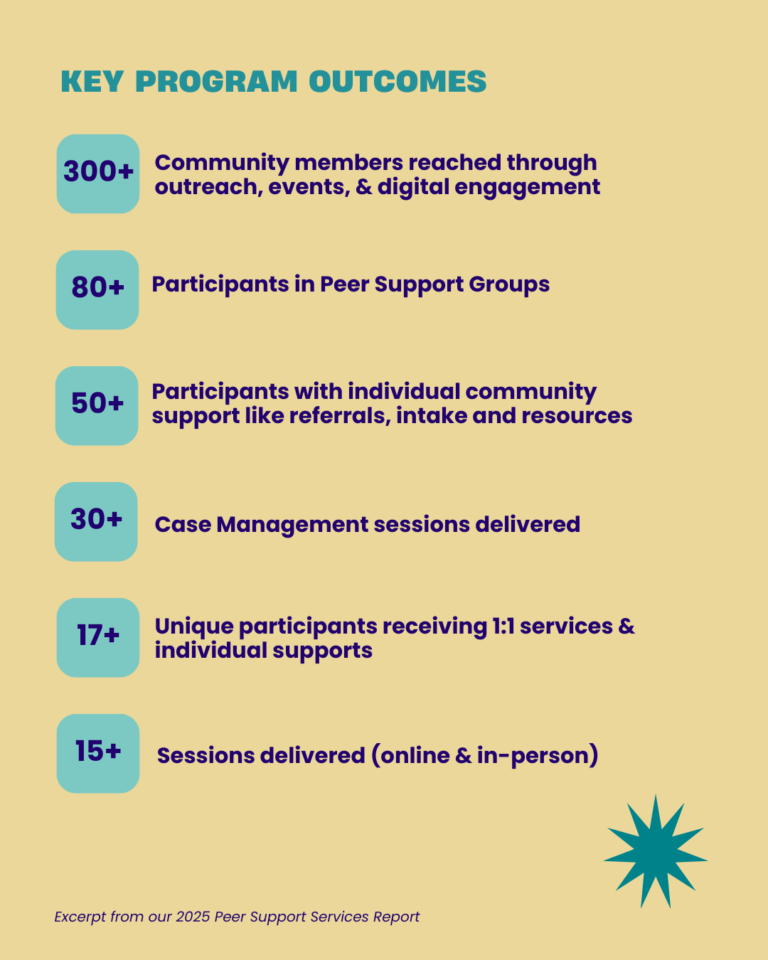
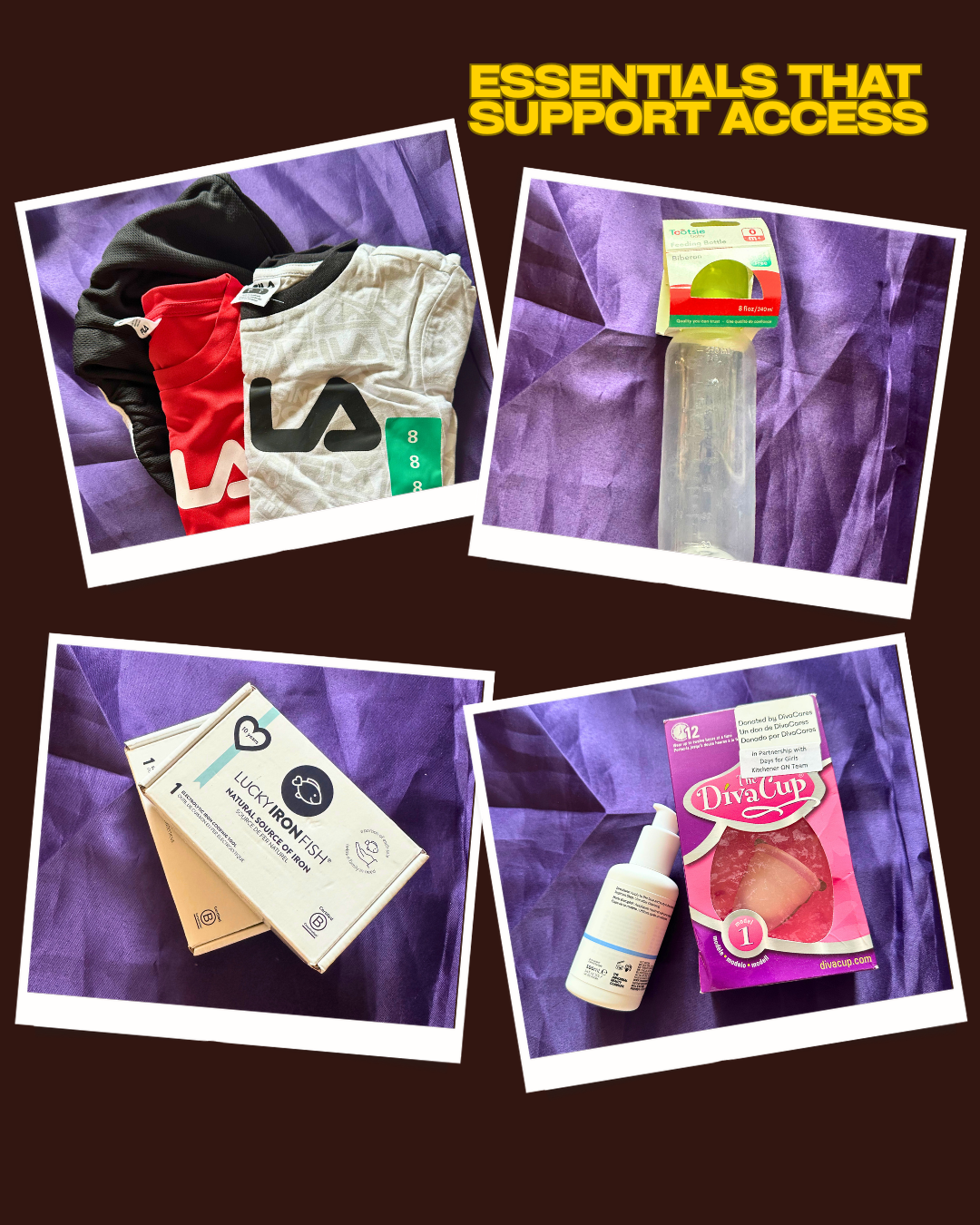
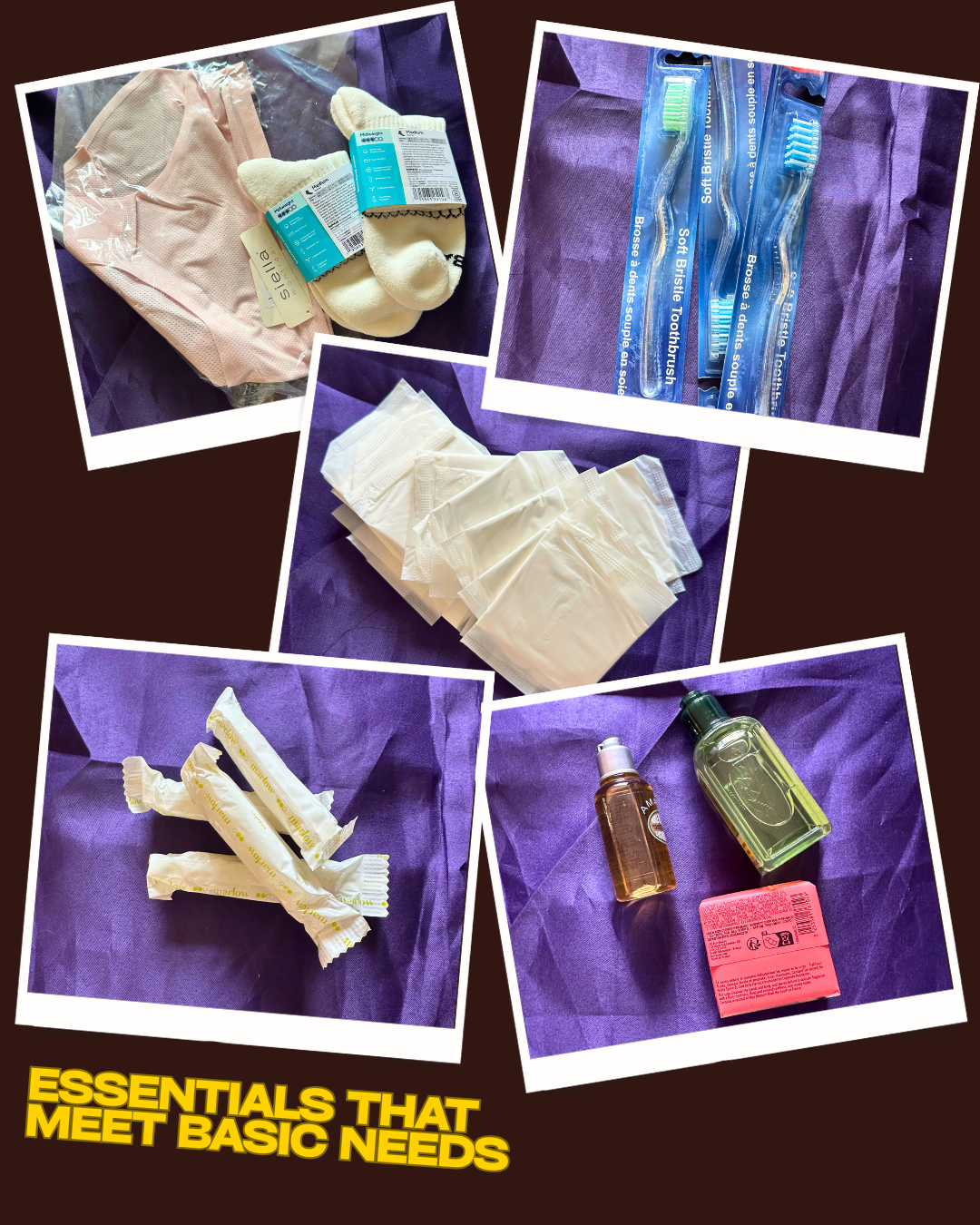
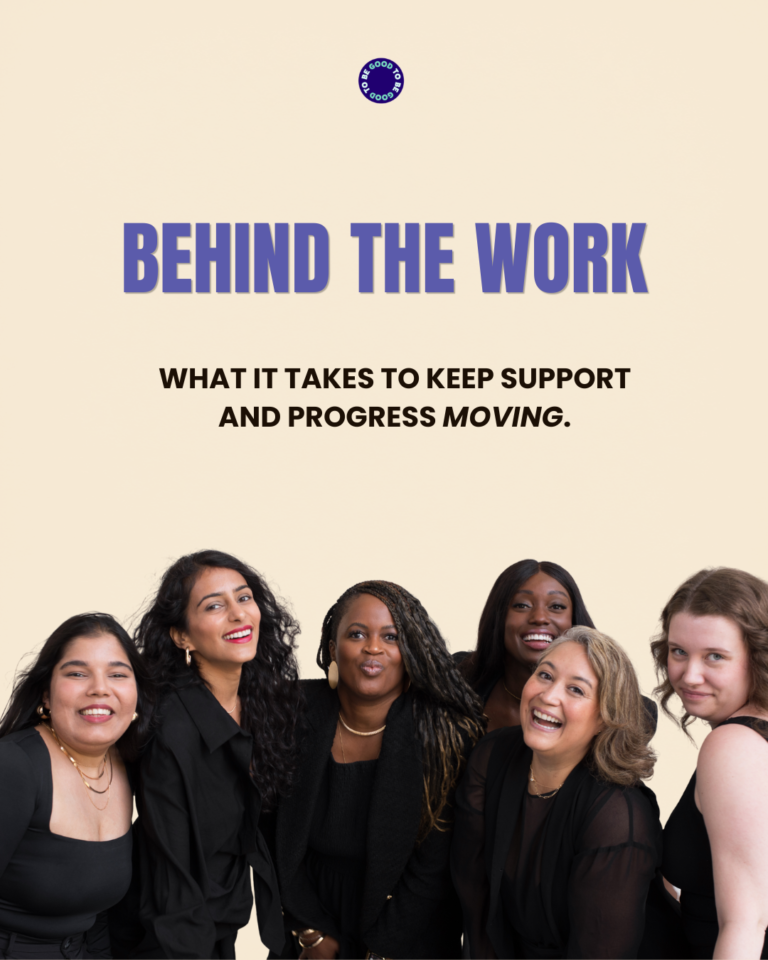
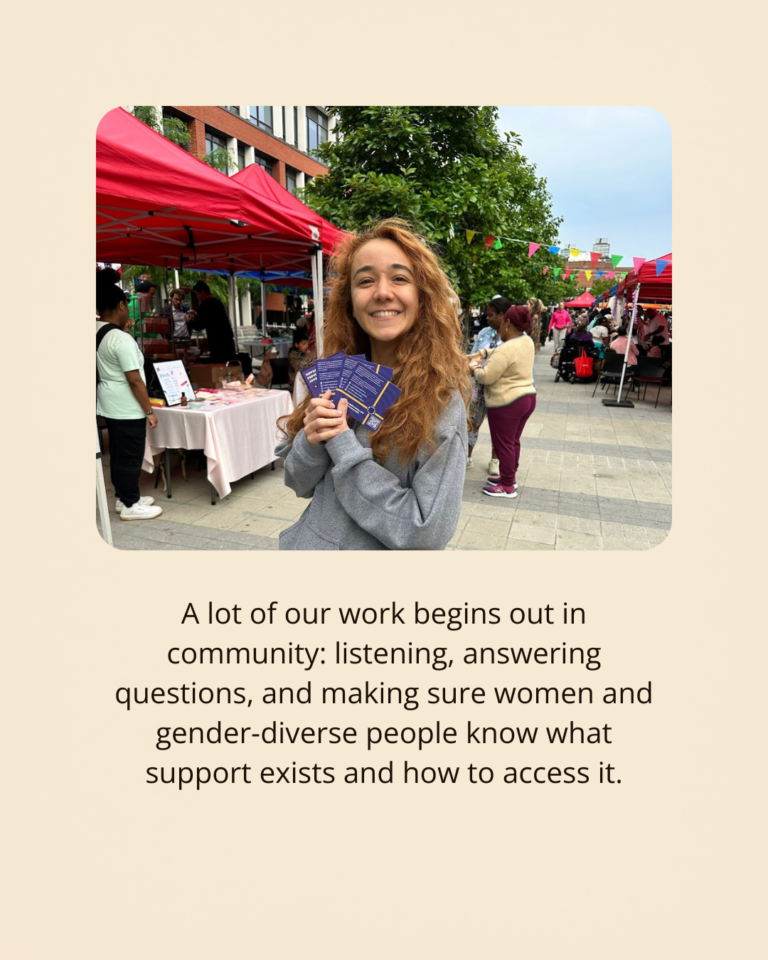
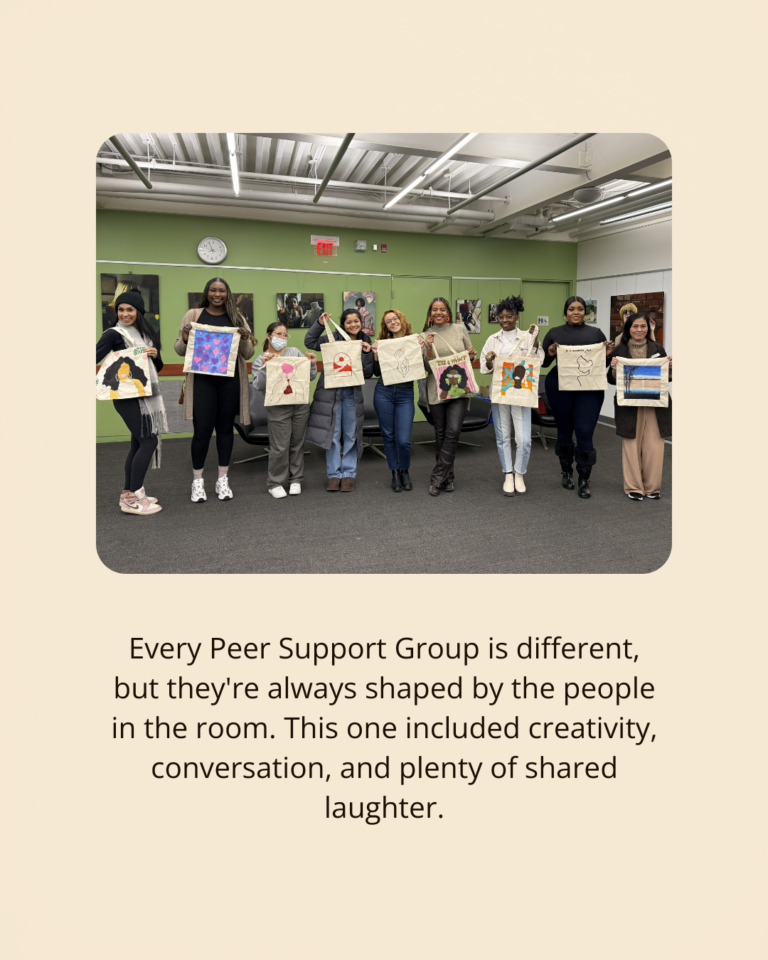
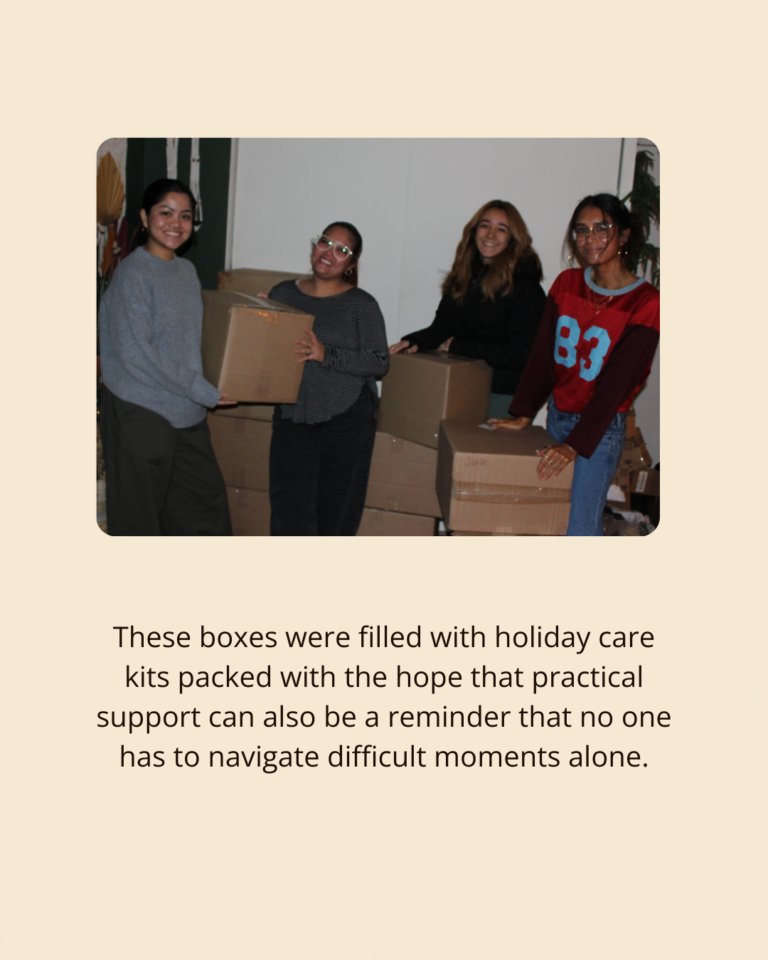
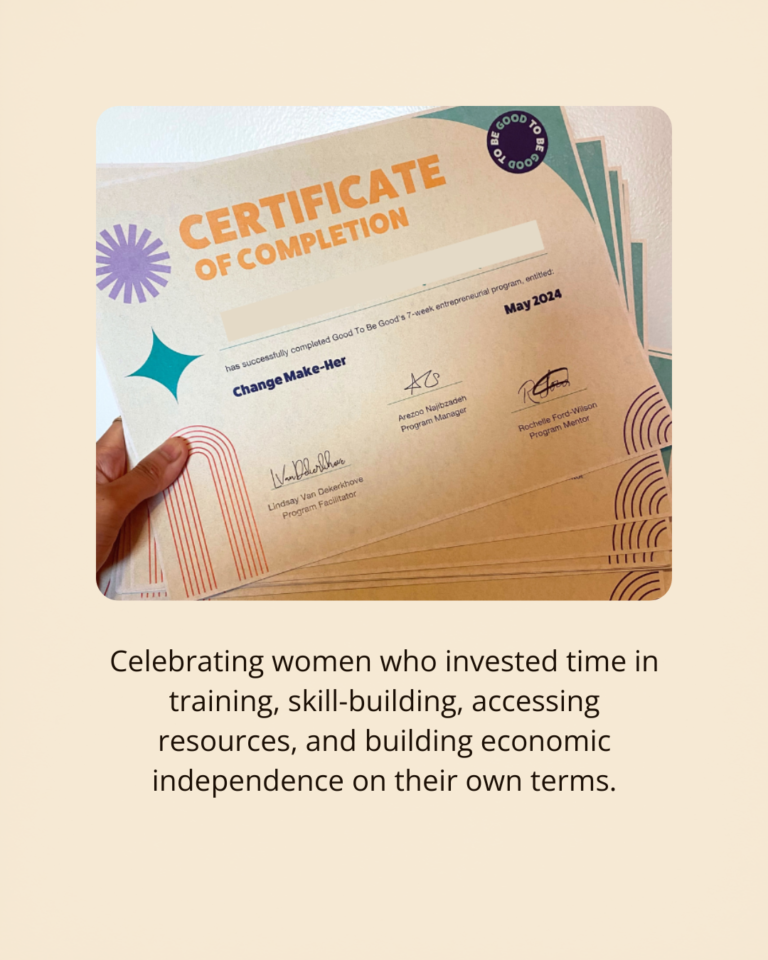
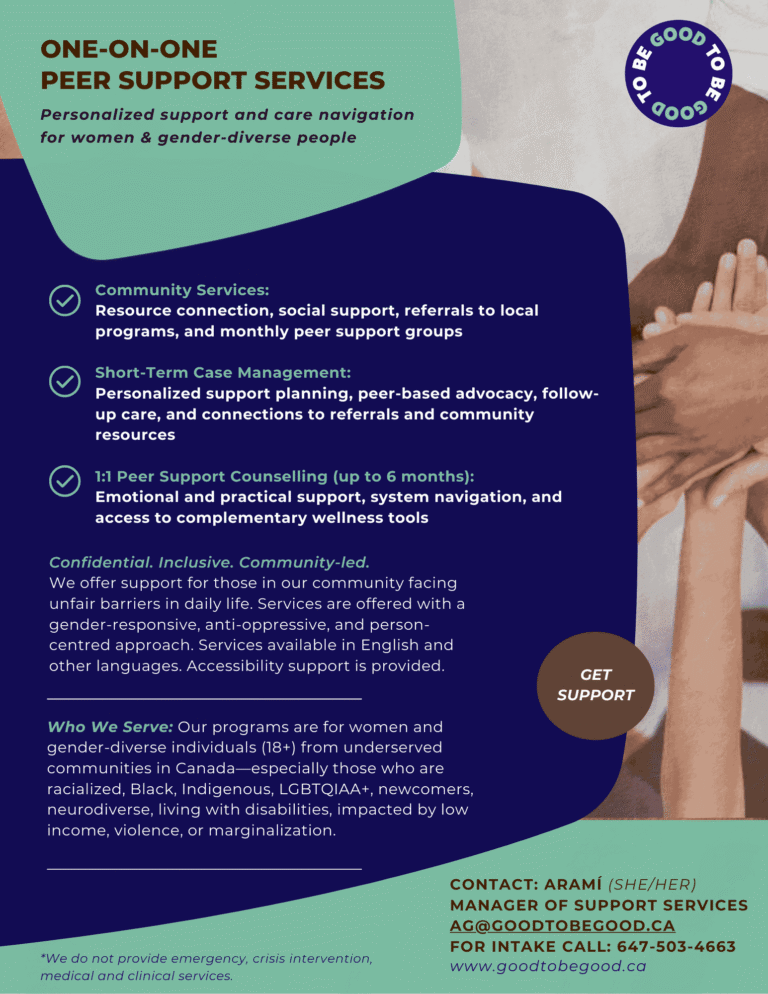
Over the years, our response to those questions has taken different forms: Peer Support Services, practical essential-needs support, resource and systems navigation, advocacy, community programming, and longer-term opportunities like Change Make-Her. Programs matter. But they’re not the end goal.
Our larger vision is a world where women and gender-diverse people have greater access to safety, dignity, economic opportunity, connection, and decision-making power—and where communities have the resources to care for one another without constantly compensating for systems that were never designed with everyone in mind. Solidarity is not simply believing in someone else’s struggle. It’s recognizing that our lives are interconnected—and acting accordingly.
Reaching 10 years also means being honest about what it takes to sustain this kind of work. Grassroots, community-rooted work requires people, time, trust, relationships, care, and resources—and the flexibility to respond when needs change. That kind of funding remains difficult to secure.
I don’t share this from a place of scarcity or fear. I share it because transparency matters. Ten years in, I’m thinking less about preserving an organization for its own sake and more about what we believe deserves to exist in our communities: spaces and systems where people are believed, support that does not require someone to prove they are deserving, and opportunities that recognize the barriers people are navigating.
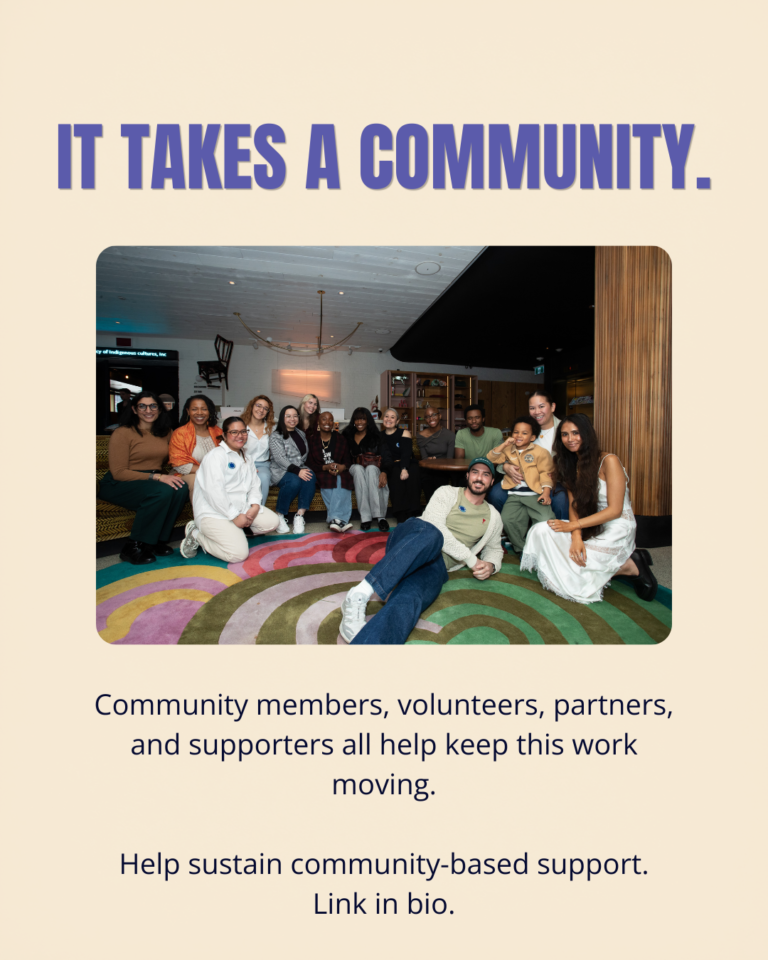
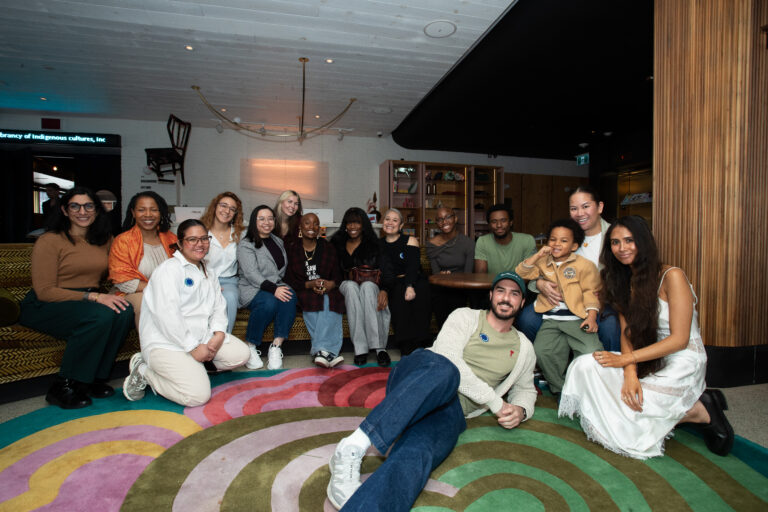
None of this has been built by one person or institution. It has been shaped by movements, participants, volunteers, staff, facilitators, partners, supporters, and ordinary people choosing to share and protect their time, resources, knowledge, and power.
As GOOD TO BE GOOD moves into its next chapter, we’ll be more open about what it takes to sustain this work and how people can be part of that vision.
Ten years in, I still believe deeply in what becomes possible when we choose a more just and connected world—and act like it can exist.
Thank you for believing that better is truly possible.
In solidarity,
Char
 DONATE


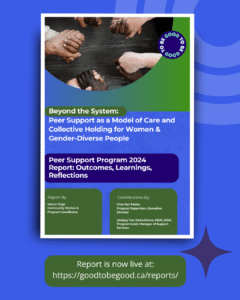


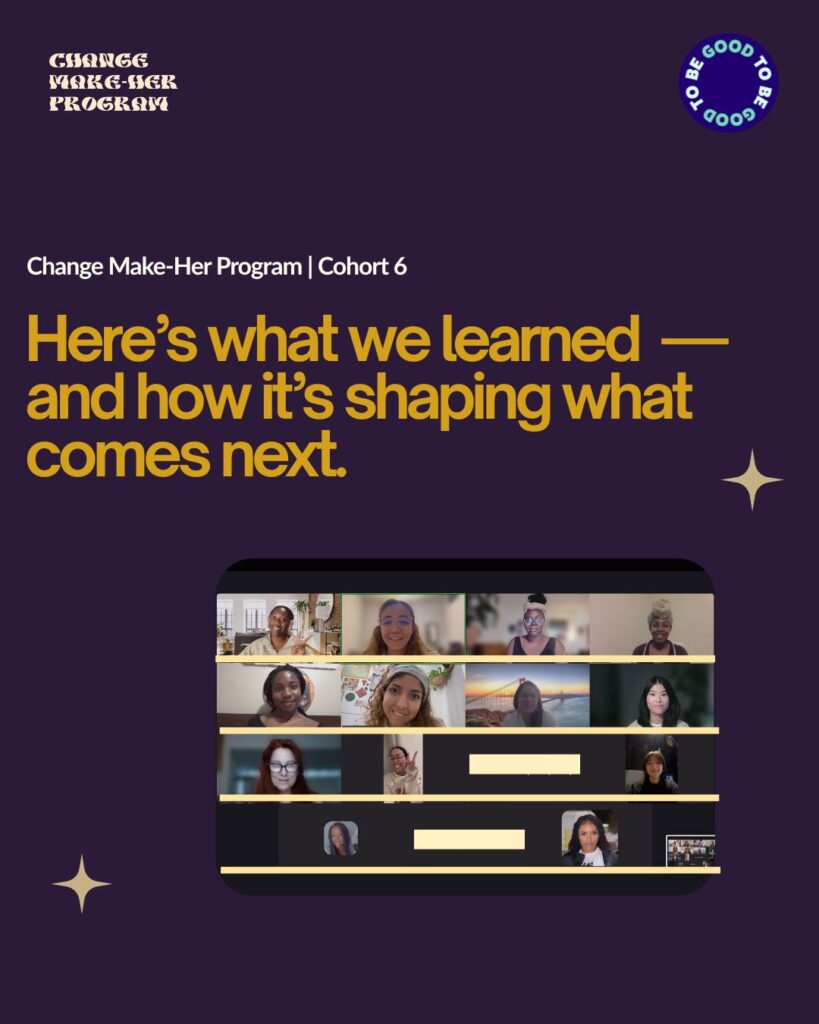
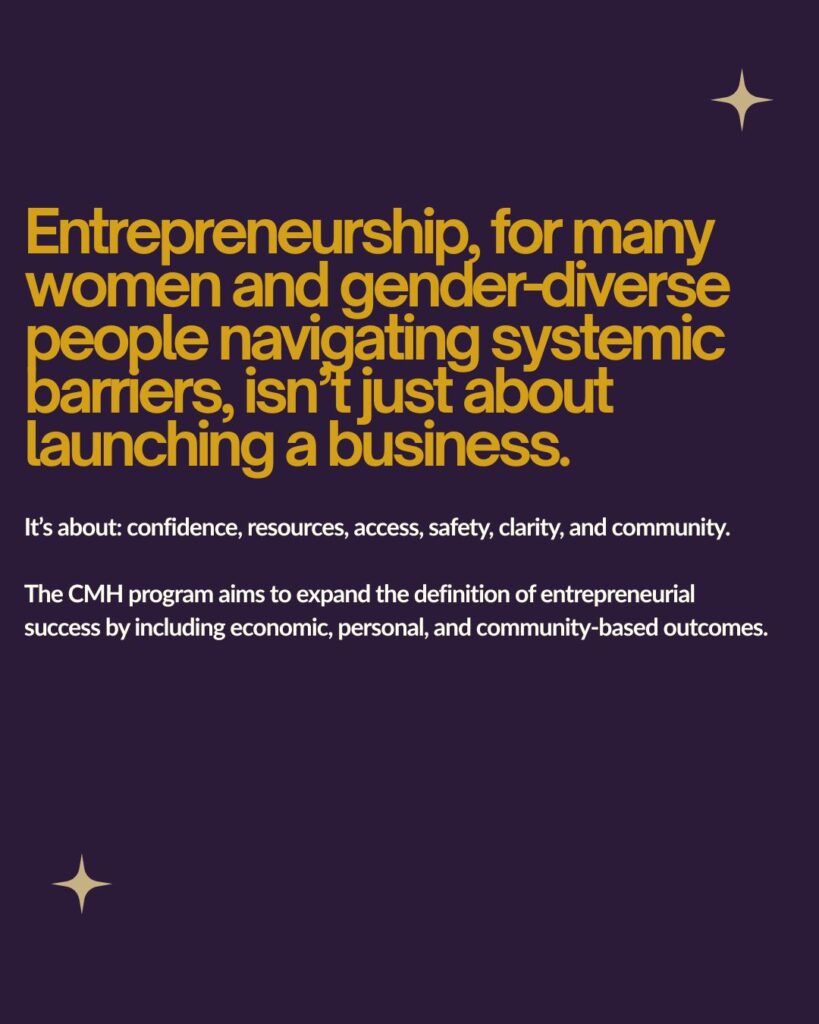
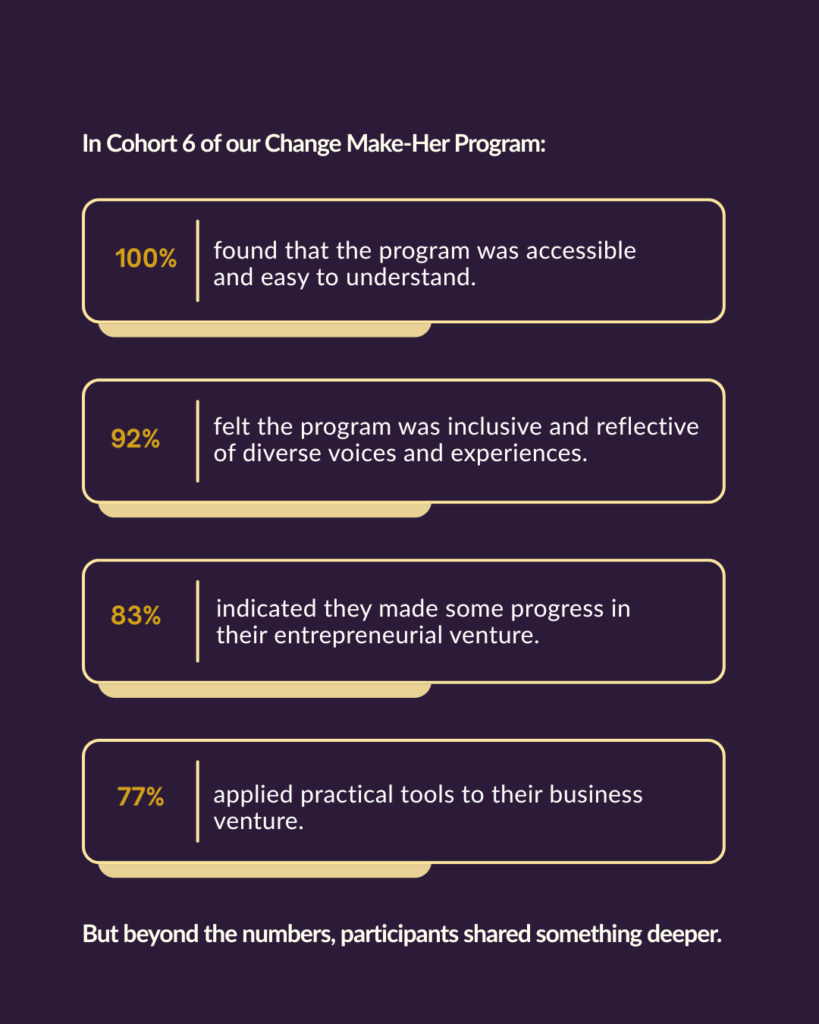
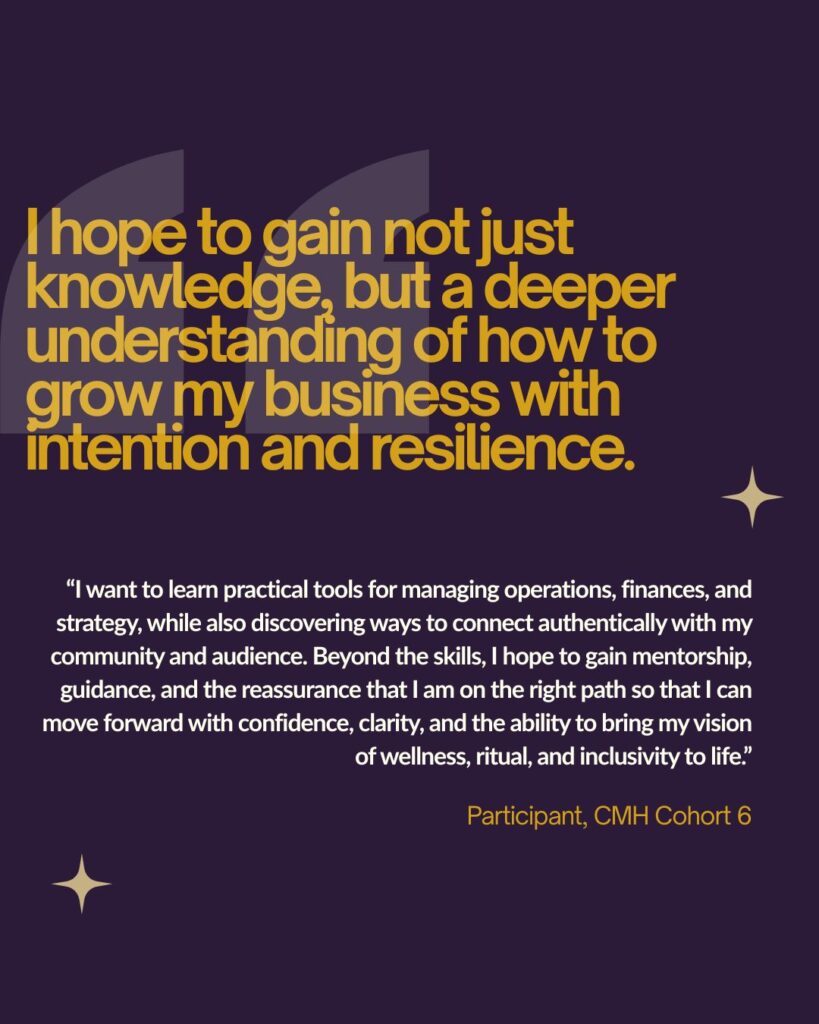
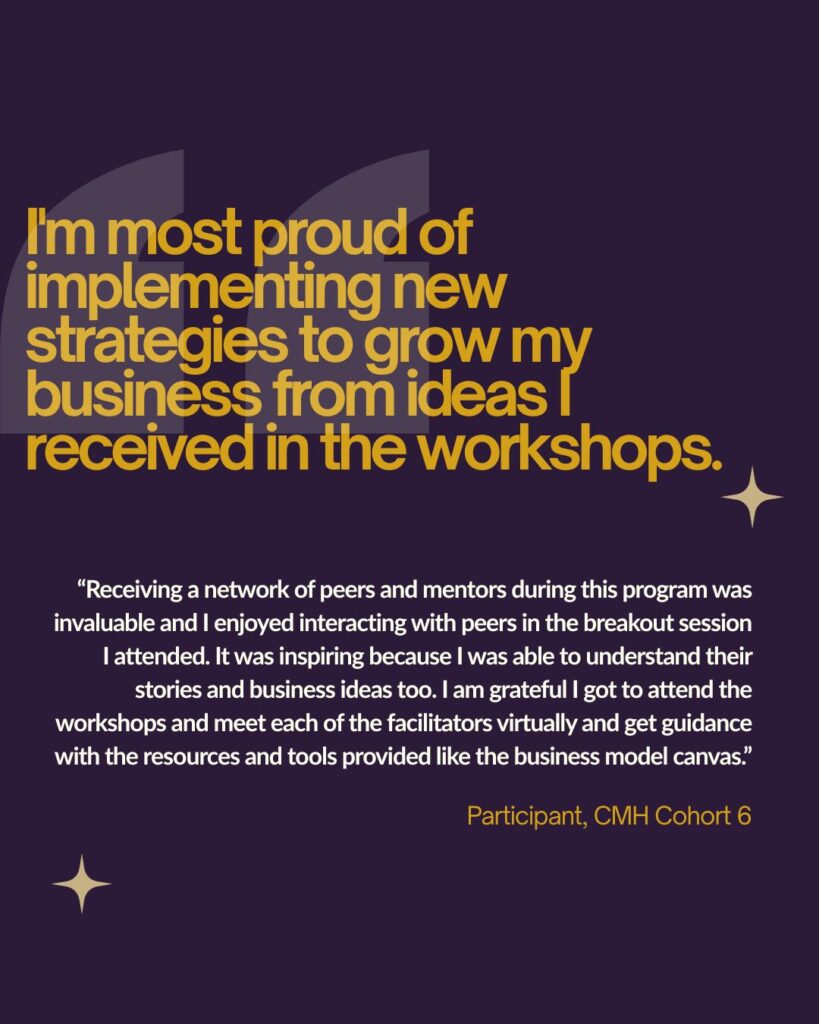
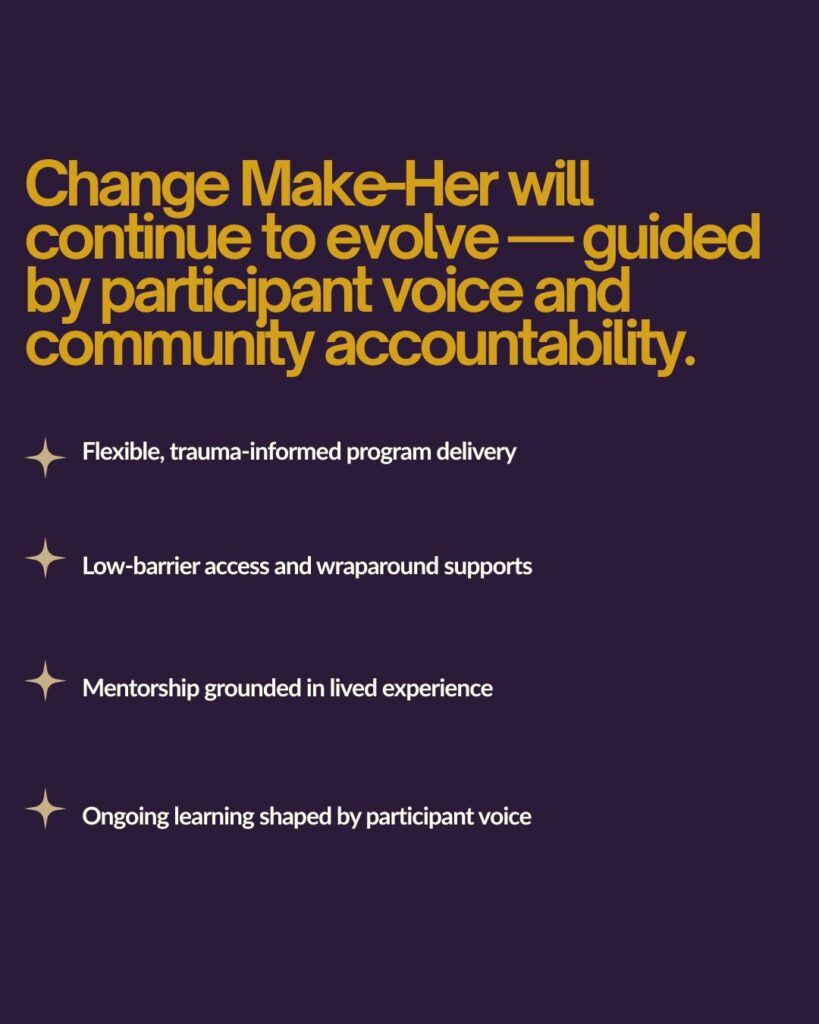
 The Change Make-Her Cohort 6 Outcomes Report is now live.
 Read the Cohort 6 outcomes report here: